

Keeping Senior Pets Healthy Longer
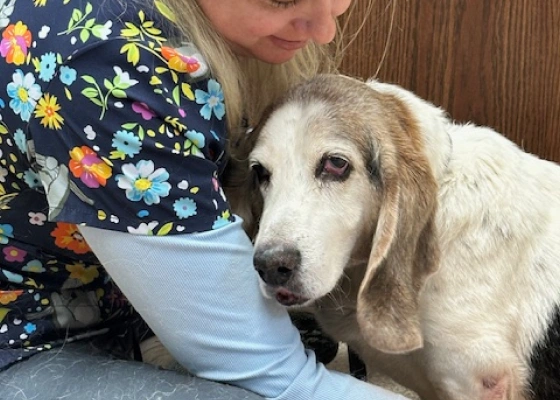
Have a pet who’s entered the later years of their life? Their needs are very unique as they experience the changes and physical deterioration that naturally occurs with old age. Fortunately, our expert team is deeply experienced with caring for senior pets and their unique health and wellness needs.

Caring For Your Senior Pet
It’s important to remember that both dogs and cats age at a much quicker rate than humans, so your pet may actually already be in the ‘senior’ stage of their life before you know it. In fact, by age seven most dogs are already considered to be ‘middle aged.’
What does that mean for your pet’s care? It means that you’ll need to be on the lookout for age-related conditions such as arthritis, blindness, diabetes, dementia, and certain cancers. Like humans, pets’ immune systems grow weaker as they age, leaving them more exposed to disease and physical issues. That makes wellness visits even more important for older dogs than at any other stage in their life.
If you have a dog that is middle-aged or older, we recommend you bring them in at least twice a year for regular wellness visits. This will give us the chance to help manage chronic conditions and be on the lookout for any new ailments that emerge.
Just because your pet slows down or sleeps more as they age doesn’t mean something is ‘wrong’— these are all a natural part of aging. But more serious issues could be a cause for concern, so please reach out if you notice any symptoms of chronic conditions or other dramatic changes in your pet’s behavior.
We may conduct the following tests to help evaluate your senior pet’s health:
- Blood work pinpoints infections, anemia, and age-related conditions such as diabetes, kidney failure, liver disease, and much more.
- X-rays or radiology, help us to see below the surface for diagnostic purposes.
- Urinalysis can help us detect common infections, and give us a great indication of your pet’s overall health.